1. Use Protective Equipment
When we talk about protective equipment, we mean instruments used to prevent potential injuries, such as helmets, knee pads, wrist guards, and/or elbow pads. Their importance lies in the fact that when performing different types of exertion, your muscles work in ways that sometimes need protection. It's worth noting that biomechanics and ergonomics are used to analyze and reduce the risks that can affect the body, controlling and introducing technological improvements without hindering movement — an even more effective approach recommended by Biomec.
2. Warm Up Beforehand
Warming up prepares the body and offers several benefits, such as increased blood and oxygen flow to the muscles, greater flexibility, and more relaxation. The warm-up varies depending on the sport, and your trainer will guide you, but the most recommended approach is jogging, light stretching, and priming your muscles beforehand with exercises you can identify through gait analysis.
3. Stretching Before and After Is Essential
Warming up prepares the body and offers several benefits, such as increased blood and oxygen flow to the muscles, greater flexibility, and more relaxation. The warm-up varies depending on the sport, and your trainer will guide you, but the most recommended approach is jogging, light stretching, and priming your muscles beforehand with exercises you can identify through gait analysis.
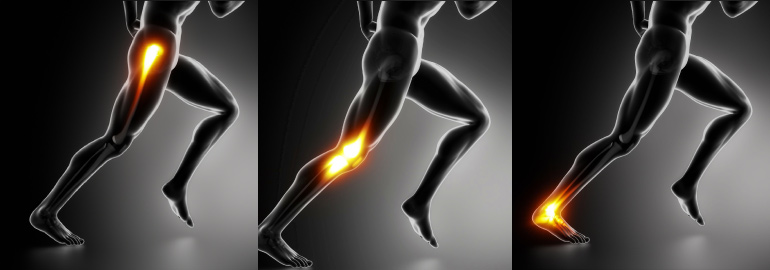
Biomec Provides Solutions for Athletes
Warming up prepares the body and offers several benefits, such as increased blood and oxygen flow to the muscles, greater flexibility, and more relaxation. The warm-up varies depending on the sport, and your trainer will guide you, but the most recommended approach is jogging, light stretching, and priming your muscles beforehand with exercises you can identify through gait analysis.